
What Took Root Here
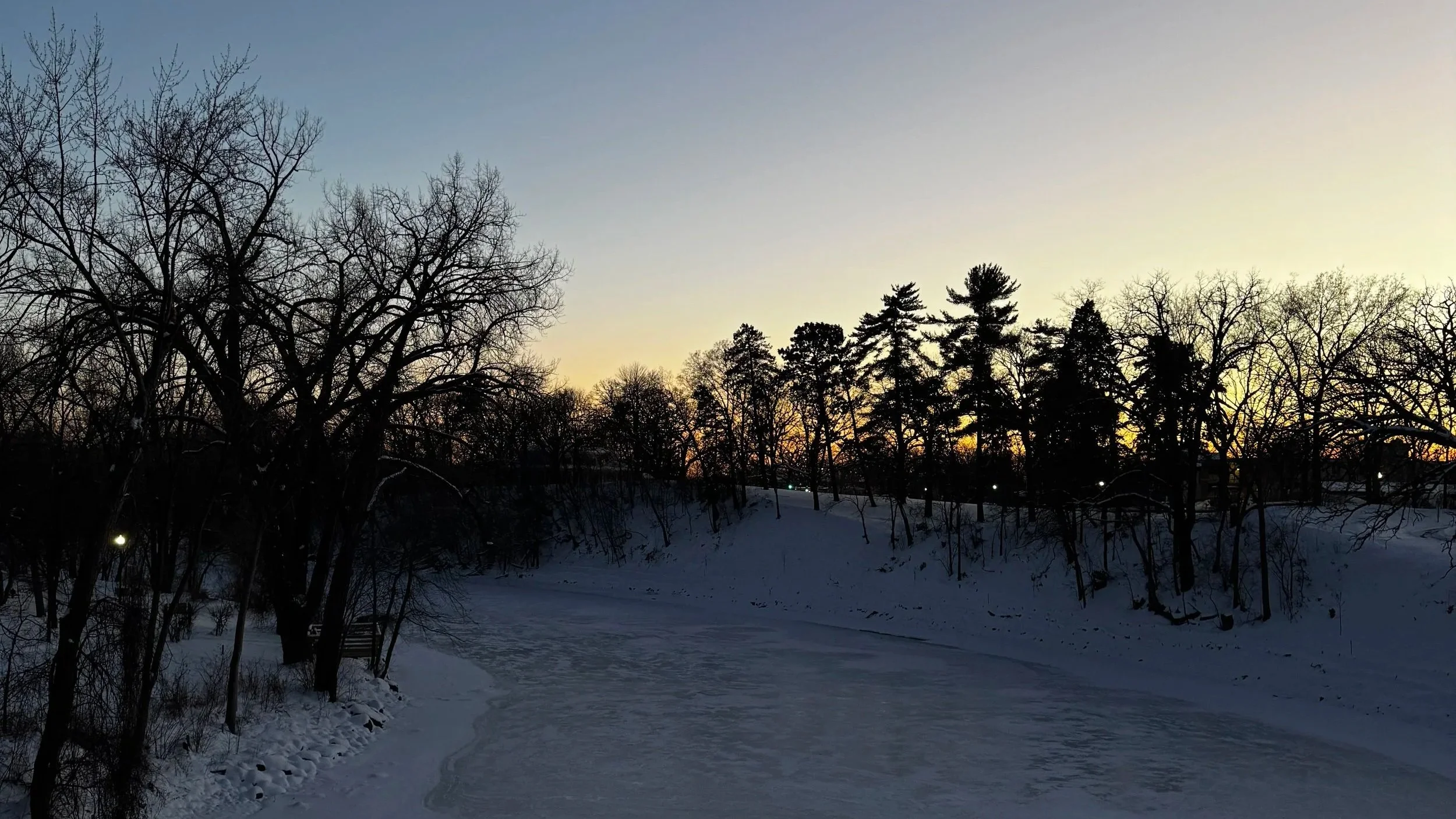
On a cold January day, I stand at the window and look out at a garden that, right now, looks like nothing at all. The beds are quiet. The ground is frozen. Everything I spent months tending has disappeared beneath winter.
It’s a strange kind of comfort.
When we moved into the house at the end of May, I went fully feral outside. I told myself no indoor projects until winter forced us there, which meant most days were spent digging, hauling, re-planting, and re-thinking the yard. Brick borders went in. Plants moved, then moved again when they clearly didn’t like where I first put them. I learned quickly that gardens don’t reward impatience. They reward attention.
In a culture shaped by convenience and constant updates, tending something that takes years to show you what it will become feels almost radical. Gardening stretches your sense of time. It reminds you that progress isn’t always visible and that feeling behind doesn’t mean you are.
Not everything worked the first time. Some plants struggled. Some had to be dug up entirely and relocated. I spent more hours than I expected hauling things back and forth from garden centers and hardware stores, learning about shape, spacing, and timing — when things bloom, how long they rest, and what survives a Minnesota winter.
The garden became less about control and more about patience.
“There’s something grounding about tending something that refuses to be rushed.”
What surprised me most was how quickly the garden became a point of connection. My partner’s mom and sister shared plants and seeds from their own gardens. Neighbors stopped while I worked in the front yard, offering advice or asking what I was planting. Others noticed changes in the backyard from across fences and introduced themselves. A few plants now growing here didn’t come from a store at all — they came from people.
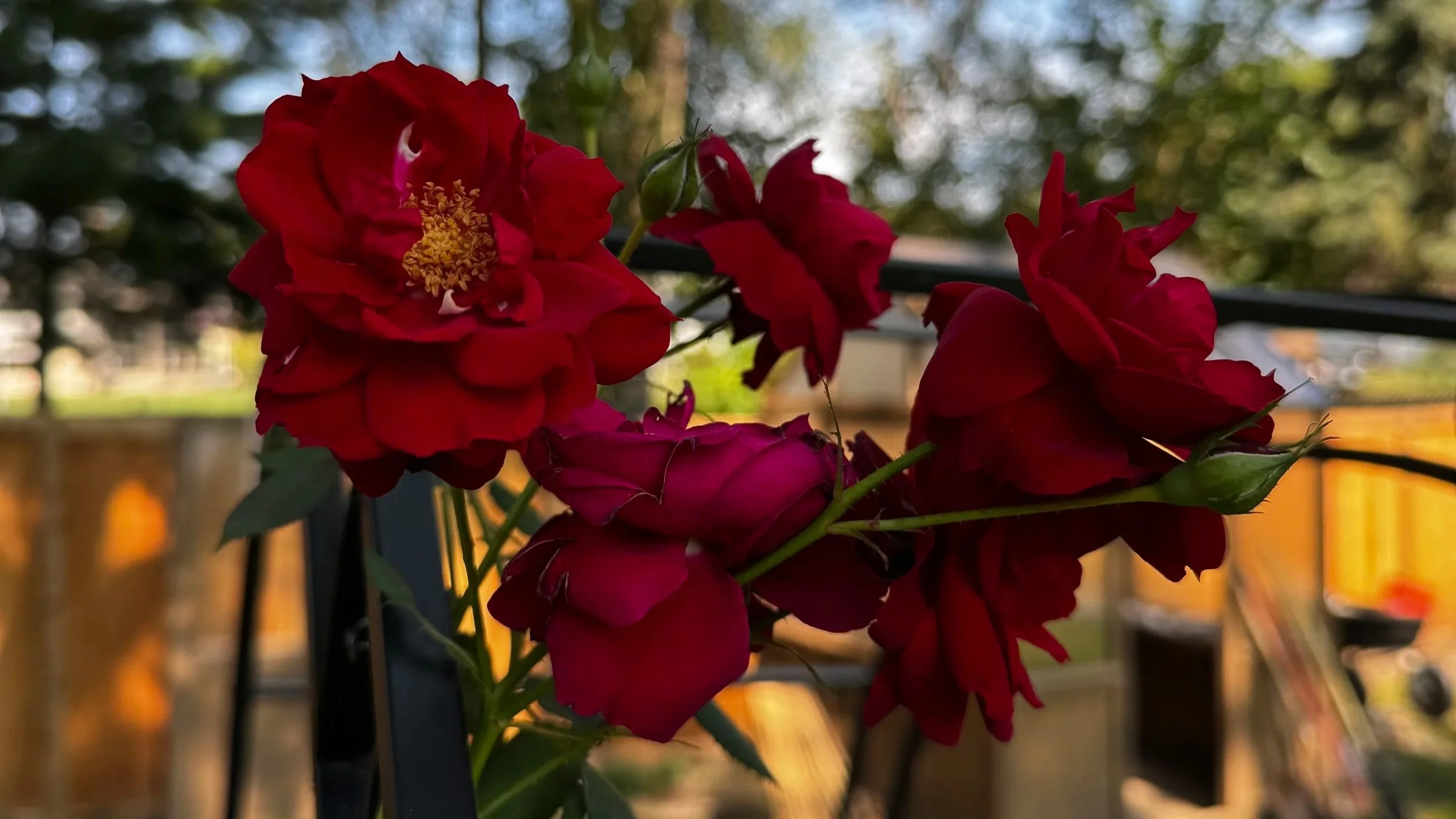
Iris and roses, both hardy enough to survive the cold, returned year after year in other yards and were passed along with simple instructions: where they do best, when to divide them, how patient you have to be. These weren’t just plants — they were pieces of someone else’s time and care, now rooted in my own soil.
This is my first experience having a house of my own, and my first time building an identity in a place from the ground up. Gardening here feels different because everything is new — the land, the seasons, the community around it. The house itself is a long-term commitment, a work in progress, and a way of putting down roots all at once.
Now, in the middle of winter, the garden is resting. And so am I, in a way. Planning. Learning. Paying attention. Waiting for spring without rushing it.
There’s comfort in knowing that growth doesn’t always look like progress — and that sometimes belonging starts with tending something together.
– This piece is part of The Anoka Current, a local storytelling project about community, place, and everyday life in Anoka.